Since 1976, Morocco has annexed parts of the former Spanish colony of Western Sahara, with its valuable phosphate resources. The local Sahrawi people had to flee; many of their members have been living in refugee camps in Algeria ever since. Architect Manuel Herz has visited their camps and describes how they differ from other refugee camps. The Sahrawi camps have an autonomous self-administration with a parliament and ministries. In addition to some skillfully decorated mud huts, there are still tents in the camp. According to Herz, they signal that the Sahrawi are not willing to accept the status quo and that life in the camp is temporary. Herz also presents his project, which was created in 2016 for the 15th Architecture Biennale in Venice. The artistic tapestries of the National Union of Sahrawi Women were exhibited in the Western Sahara pavilion, resembling the tents of the refugee camps.
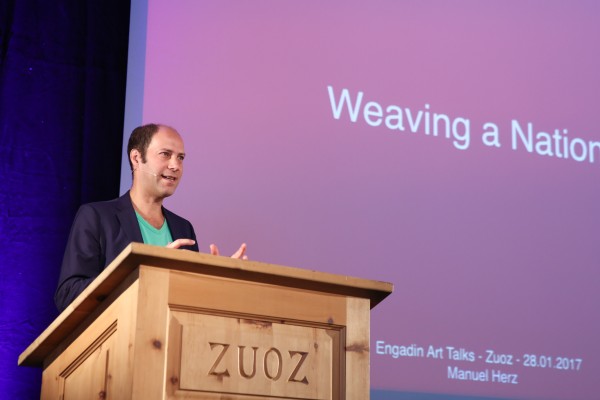
“When we think about the desert, we usually think of emptiness — but maybe it is more interesting to think of the desert as a full place: full of animals, people, territorial claims, economic interests, and cultural production.”
— Manuel Herz