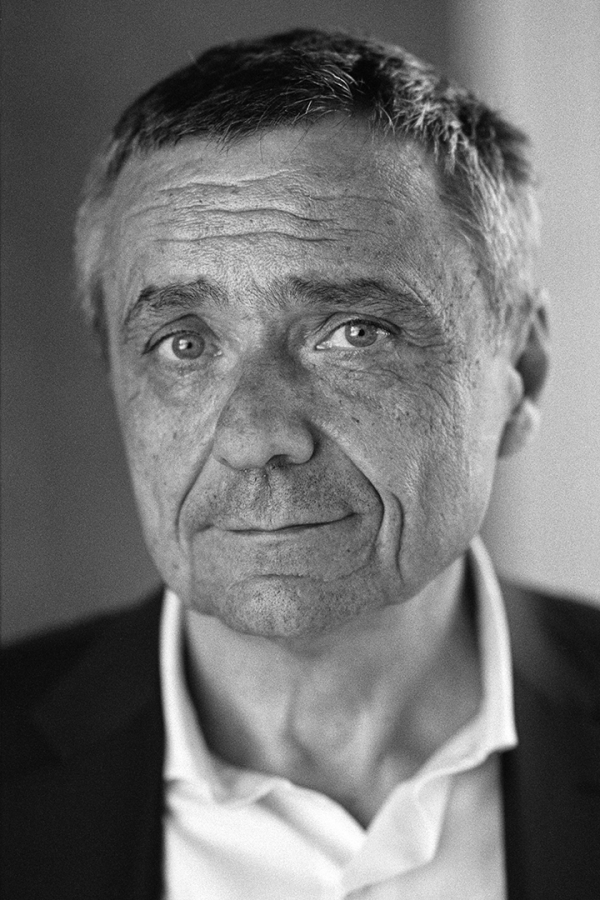
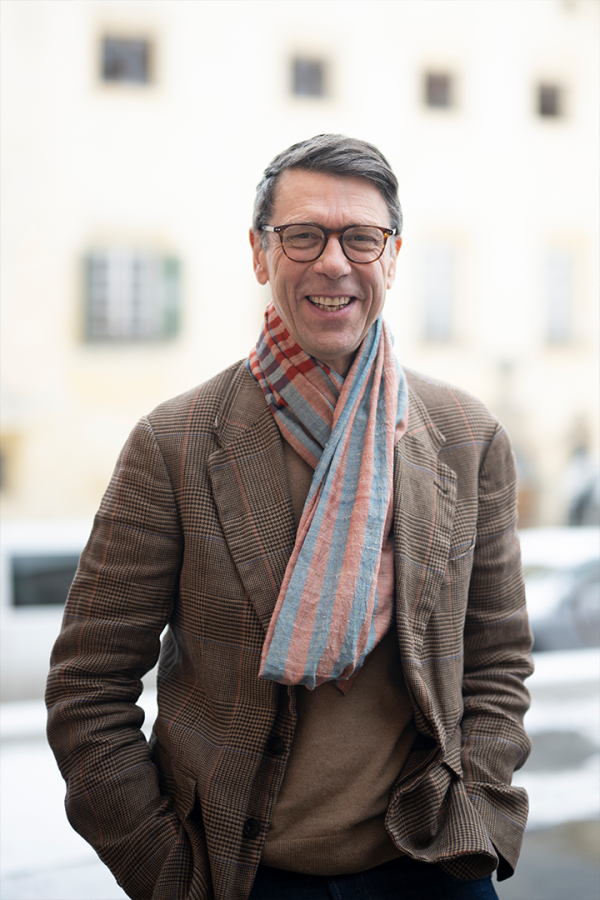
In this video, curator Tobia Bezzola presents a richly layered art-historical reflection on artists’ houses and communal living as alternative infrastructures for artistic exchange. Drawing on examples from Switzerland and beyond — particularly in Ticino — Bezzola traces how individual buildings functioned as nuclei for artist colonies, transnational networks, and shared creative practices, often emerging outside the canonical centres of European art history. In conversation with Daniel Baumann, the discussion expands to questions of landscape, remoteness, tolerance, and the social conditions that enabled such artistic constellations, positioning peripheral regions as vital contributors to cultural history rather than its margins.
“Art history is usually written through cities — Paris, Berlin, New York — but there is also an alternative art history that unfolds through landscapes. In these peripheral places, houses became nuclei of exchange: spaces where people lived together, worked together, and where communication across borders became possible in ways the centres did not allow.”
— Tobia Bezzola